


These days businesses need digital marketing to survive and grow as it directly targets active consumers where they spend their time: online. It levels the playing field, allowing companies to scale rapidly through precise audience targeting, cost-effective campaigns, and measurable results.
Here are some key reasons that digital marketing is essential for driving business growth include:
- Precision Targeting: Unlike traditional billboards or TV ads, digital marketing uses data analytics to target specific demographics, interests, and behaviors, ensuring your message reaches the exact right people.
- Cost-Effectiveness: It offers high returns on investment (ROI) on budgets of any size. Even small businesses can run highly effective, affordable campaigns on social media.
- Measurable Results: Every click, view, and conversion can be tracked in real-time. This allows businesses to adjust strategies on the fly and optimize marketing dollars.
- Brand Credibility and Reach: Maintaining an active online presence through Search Engine Optimization (SEO) and social media establishes your business as an authority while breaking down geographic barriers to reach global markets.
- Direct Customer Engagement: Digital channels enable two-way communication. Brands can connect with customers instantly via comments, messaging apps, and email to build long-term loyalty.
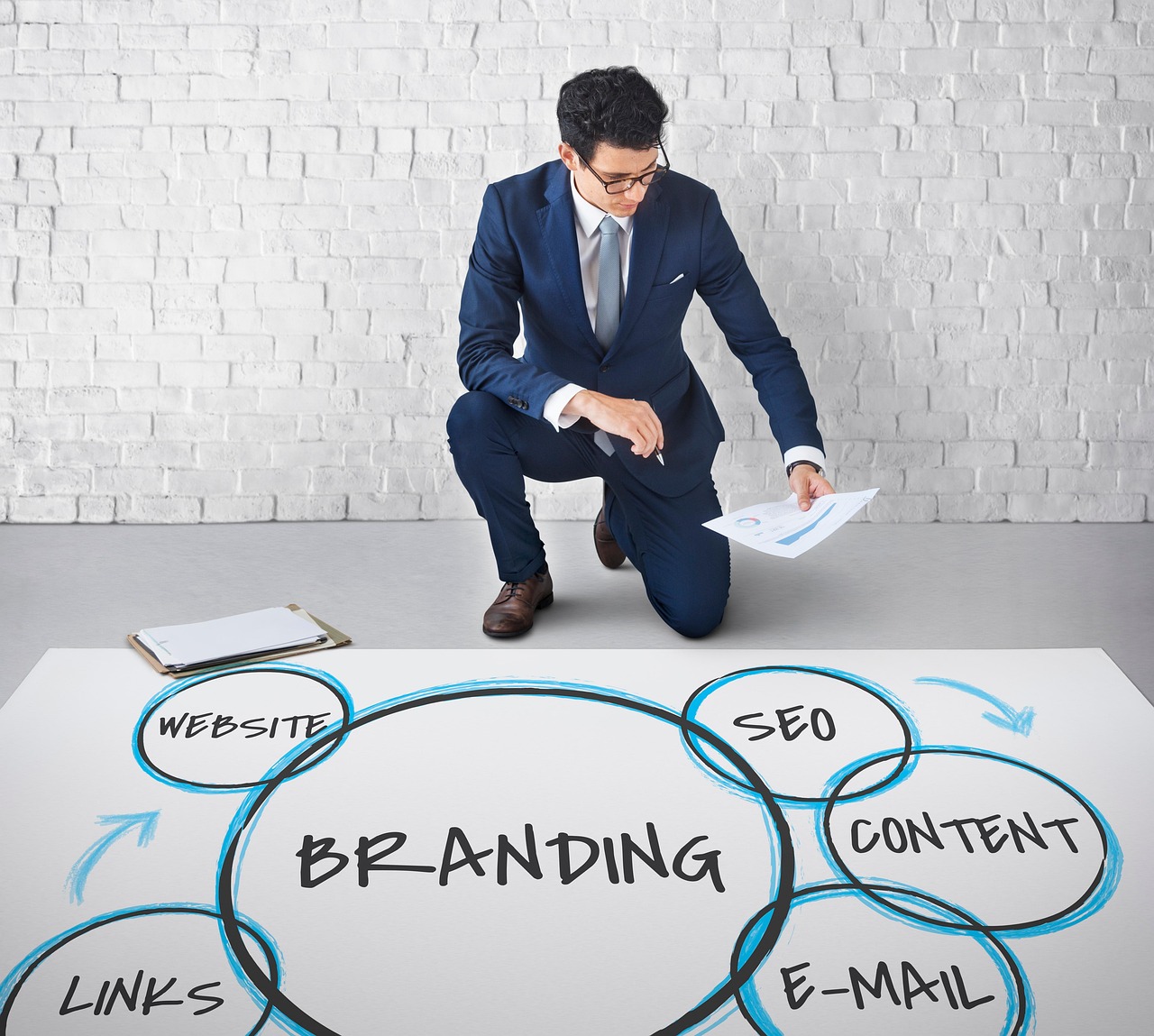
Some of the core components of digital marketing for the business growth include:
- SEO (Search Engine Optimization): It is the process of fine-tuning your website to rank higher in organic, unpaid search engine results. By optimizing technical infrastructure, content relevance, and authority signals, SEO helps search engines like Google understand your content better, bringing more targeted traffic to your site.
- Social media marketing: It involves using platforms like Facebook, Instagram, TikTok, and LinkedIn to connect with your audience, build your brand, and drive sales. It goes beyond one-way advertising by fostering two-way community engagement, allowing brands to interact directly with customers and track precise performance metrics.
- Content marketing: It is a strategic approach focused on creating and distributing valuable, relevant, and consistent content to attract and engage a clearly defined audience. Instead of directly pitching products, it builds trust and brand loyalty by providing useful information that solves consumer problems.
- Pay-Per-Click (PPC): It is a digital advertising model where advertisers pay a fee to a publisher (like a search engine or social media platform) only when their ad is clicked. It is primarily used to drive targeted traffic to websites instantly rather than waiting to build organic reach.
- Email marketing: It is a digital marketing channel that uses targeted, permission-based emails to communicate with potential and existing customers. It is an incredibly cost-effective way to build brand loyalty, nurture leads, and drive sales because you fully own your audience without relying on unpredictable social media algorithms.